A receptionist notices fingerprints on the front door before the first client arrives. A team member sees an overflowing restroom dispenser at 2 p.m. A visitor spots dust on the conference room table. These details seem small, but they shape how people experience your business. Reliable office cleaning Long Island service protects the health, comfort, and professional appearance of your workplace without adding another daily task to your team.
For office managers, facilities leaders, and business owners, cleaning is not simply about emptying trash cans after hours. It is about creating a space where employees can focus, clients feel confident, and high-touch surfaces receive consistent care. The right provider brings a clear plan, trained people, and accountable follow-through.
What Office Cleaning Long Island Businesses Need Most
Long Island offices vary widely. A small professional suite may need two evening cleanings each week, while a busy corporate office, medical practice, or customer-facing showroom may need daily attention. The best schedule depends on foot traffic, restroom use, shared workspaces, food service, and the number of visitors moving through the building.
What should not vary is the standard. A dependable cleaning plan covers the work that affects daily operations: removing waste, vacuuming and mopping floors, cleaning restrooms, disinfecting high-touch points, wiping common-area surfaces, and keeping entryways presentable. It should also account for details that are easy to miss when cleaning is inconsistent, such as interior glass, door frames, break room appliances, baseboards, and dust buildup around workstations.
A clean office supports more than appearances. Shared surfaces, restrooms, kitchens, and reception areas are used repeatedly throughout the day. Regular professional cleaning helps reduce the accumulation of dirt, allergens, and germs in the places employees and visitors rely on most.
Build a Cleaning Schedule Around Your Actual Workplace
A cleaning frequency that works for one business can be wasteful or insufficient for another. Rather than choosing a generic package, start with how the office is used.
An office with a small staff and limited public traffic may stay in good condition with service one or two times per week, plus periodic deep cleaning. A larger office with shared kitchens, several restrooms, and daily visitors often benefits from three to five visits per week. Medical and dental offices, childcare settings, gyms, and other hygiene-sensitive facilities may need daily cleaning and more frequent disinfection of touchpoints.
Timing matters as much as frequency. Evening cleaning allows crews to work thoroughly without disrupting calls, appointments, or customer traffic. Early-morning service may be a better fit for a business that needs its reception area and restrooms refreshed before opening. Flexible scheduling should be part of the service, not a complication that your office has to manage.
Daily Tasks Versus Periodic Detail Work
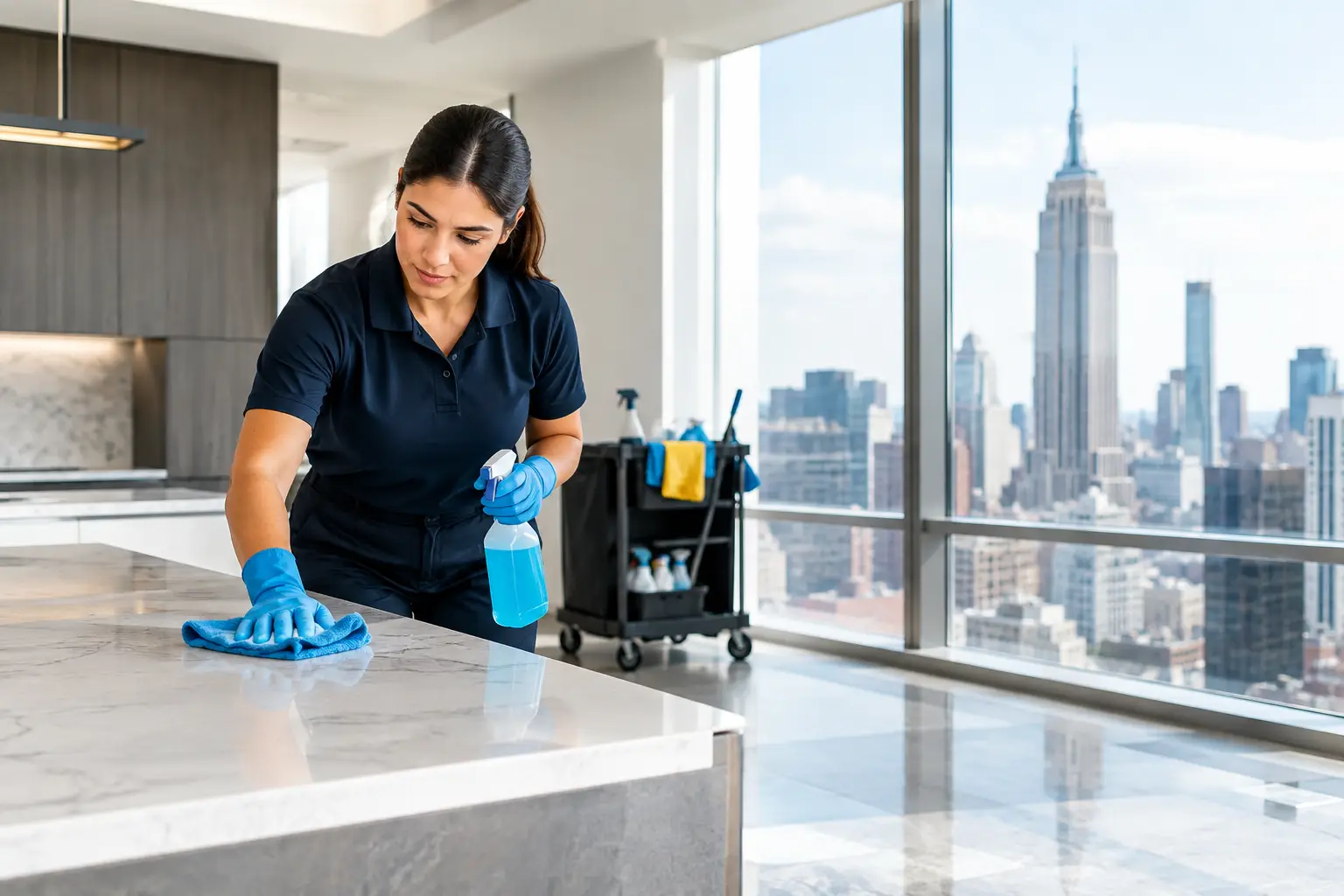
Daily or recurring service handles the visible, high-use work that keeps an office functioning. That usually includes restroom cleaning, trash removal, vacuuming, mopping, and disinfecting frequently touched surfaces such as handles, switches, shared tables, and fixture controls.
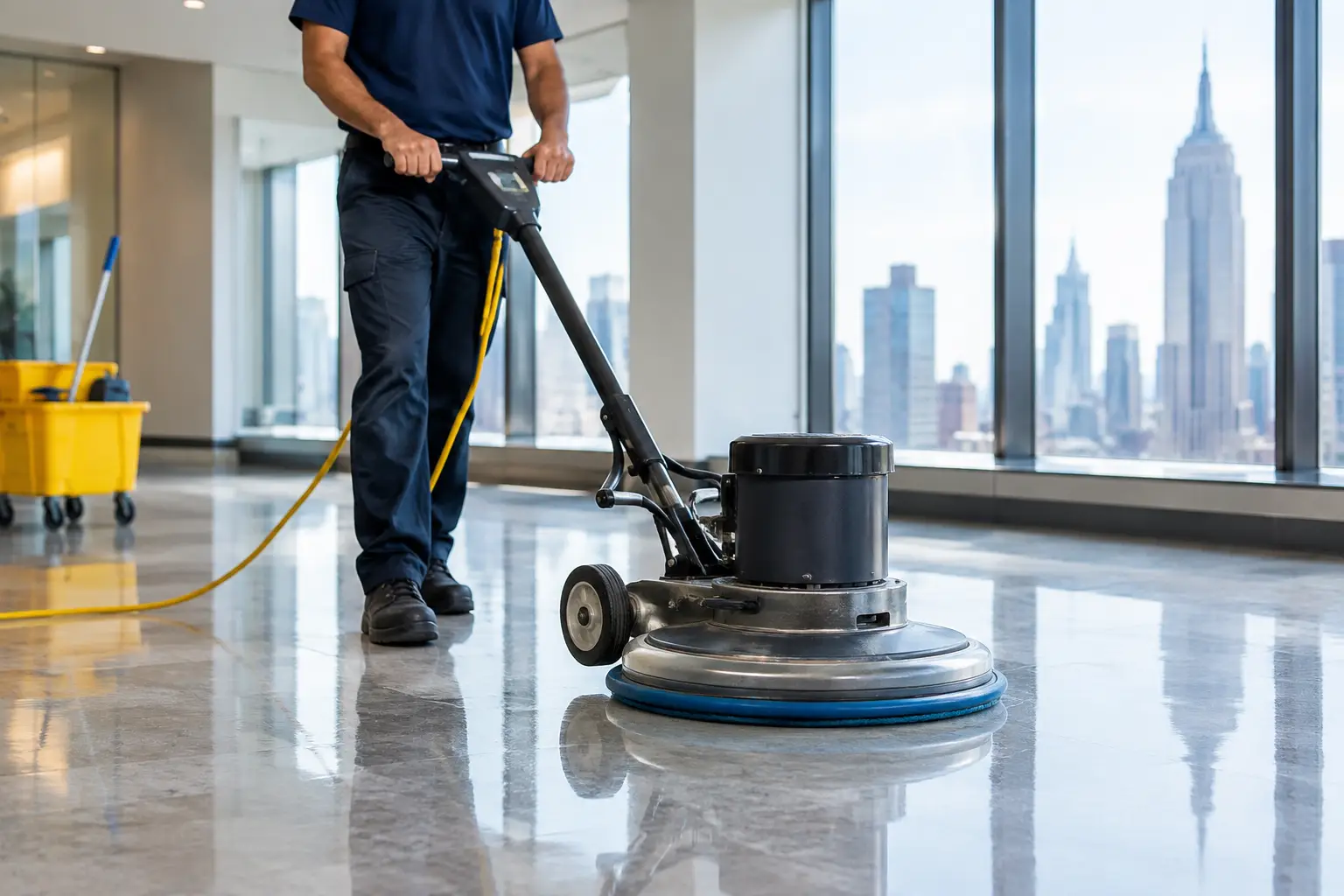
Periodic work goes deeper. Carpet extraction can remove embedded soil and help extend the life of carpeted areas. Hard-floor stripping and waxing can restore worn vinyl or tile floors in busy corridors and lobbies. Detailed cleaning of upholstery, vents, blinds, and interior glass may be scheduled monthly, quarterly, or as needed. Separating recurring tasks from specialty work makes the scope easier to understand and helps avoid surprises.
Define the Scope Before Service Starts
The most reliable office cleaning plans are specific. A provider should walk through the space, identify the areas that receive the most use, and document what will be cleaned during each visit. This is especially valuable in multi-tenant buildings, offices with restricted areas, and workplaces that have different cleaning needs from one department to another.
For example, a break room may require daily attention to counters, sinks, tables, appliance exteriors, and floors, while an executive conference room may need careful dusting and glass cleaning before scheduled meetings. A warehouse office may need more attention at entrances where dirt is tracked in from loading areas. A medical office requires a different approach to disinfection than a standard administrative suite.
Clear scope also means clear boundaries. It should be easy to know whether supplies are included, how consumables such as paper products are handled, and whether specialty services are quoted separately. Transparent upfront pricing gives business leaders a practical way to budget for cleaning without hidden fees or unclear add-ons.
Choose Accountability, Not an Anonymous Crew
A cleaning company is trusted with your keys, equipment, work areas, and sometimes confidential information. That calls for more than a name on a schedule. Ask who will enter the building, how those people are screened, and who is responsible if something needs attention.
An employee-based workforce offers meaningful oversight. Technicians who are trained, background-checked, insured, and bonded are part of a managed team rather than anonymous subcontractors assigned with little continuity. Consistent crews also learn the layout of your office, understand your priorities, and recognize when something is out of the ordinary.
Communication should be straightforward. If a restroom needs extra attention, an event creates unexpected debris, or your office schedule changes, you should know who to contact and receive a timely response. Local support is particularly useful when service needs shift quickly because of weather, construction, staffing changes, or a last-minute client visit.
City Wide Cleaning works with businesses throughout Long Island using trained employee teams, professional-grade equipment, and a service plan built around each facility's schedule and needs.
Prioritize Products That Support a Healthy Workplace
Cleaning products affect the people who work in and visit your office. Strong fragrances and harsh chemicals can be uncomfortable for employees with sensitivities, and they may not be appropriate around children, patients, pets, or food areas. Green Seal-certified, non-toxic products provide an effective option for routine cleaning while supporting a healthier indoor environment.
That does not mean every situation requires the same product or method. High-traffic restrooms, health care environments, post-construction dust, and floor restoration each call for the right equipment and procedure. A professional team should understand the difference between cleaning, sanitizing, and disinfecting, then apply the appropriate process to the setting.
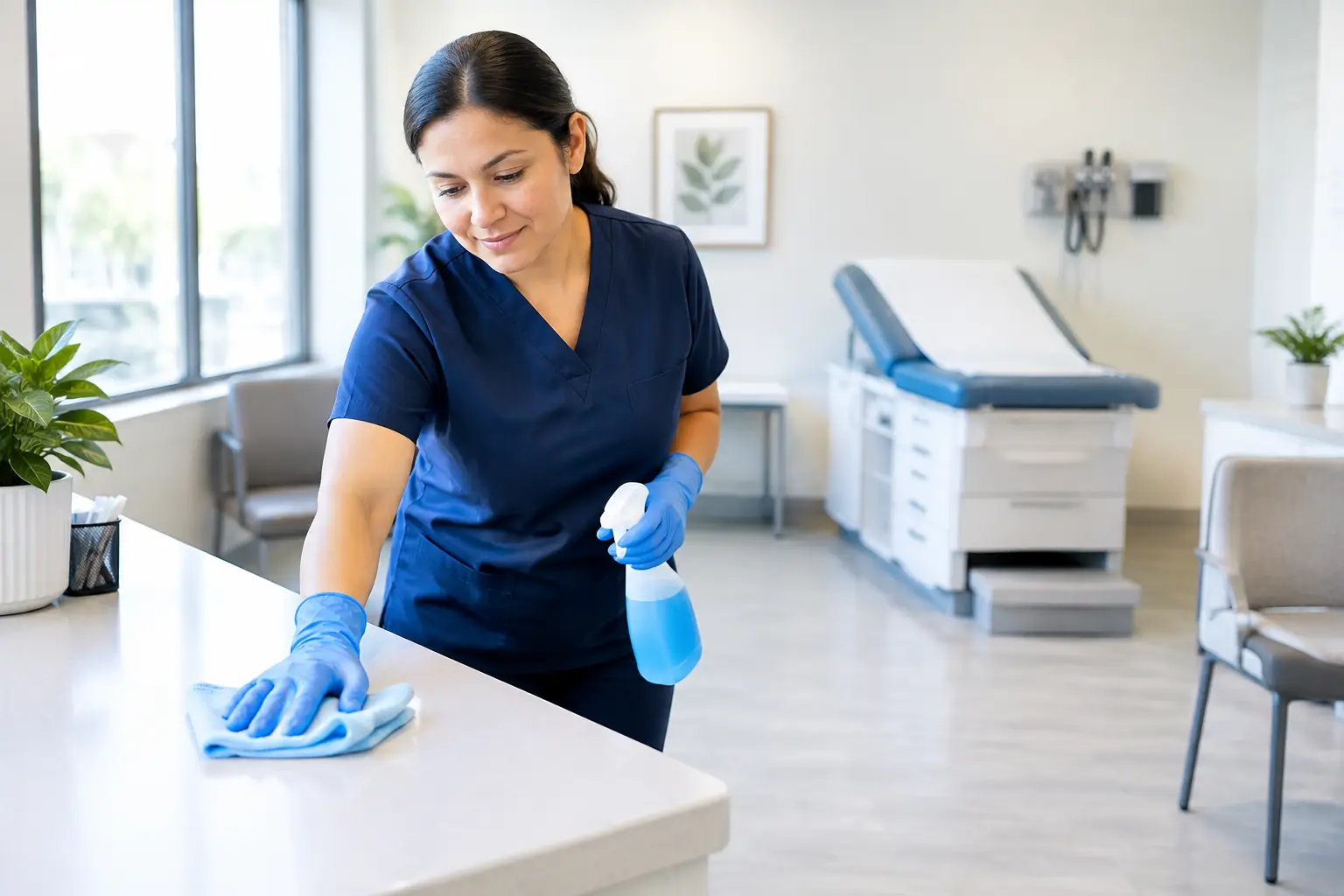
For workplaces with elevated hygiene requirements, ask how high-touch points are addressed. Door handles, elevator buttons, shared keyboards, faucet handles, light switches, break room surfaces, and reception counters deserve regular, methodical attention. Hospital-grade disinfection can be scheduled where it is appropriate for the facility and its operations.
Watch for Signs Your Current Plan Needs Attention
Cleaning problems often show up gradually. Complaints may start with a restroom that is not consistently stocked or a lobby floor that never quite looks clean. Over time, employees stop reporting issues because they expect nothing to change. That is a sign the service needs a more accountable structure.
Other warning signs include crews that change constantly, unclear invoices, missed appointments, lingering odors, dust returning quickly, or a provider that cannot explain what is included in the service. None of these concerns should be treated as a normal part of managing an office.
A better plan begins with a site-specific review and a realistic schedule. It should leave your staff with fewer cleaning concerns to manage, not more. The goal is simple: arrive each day to a workplace that looks cared for, feels comfortable, and is ready for the people who depend on it.