Renovation crews may leave behind a space that looks finished, but fine dust, adhesive residue, drywall powder, and stray hardware can remain in places you cannot immediately see. Professional post construction cleaning turns a completed project into a space that is genuinely ready for employees, customers, patients, tenants, or family members.
For New York businesses and Long Island homeowners, that final cleaning stage is not a cosmetic extra. Construction dust settles inside vents, on ledges, beneath fixtures, and across every horizontal surface. If it is rushed or handled with the wrong equipment, it can affect indoor air quality, leave floors looking dull, and create a poor first impression the moment people walk through the door.
Why Post Construction Cleaning Requires More Than a Basic Clean
A standard cleaning visit is designed to maintain an occupied space. It is not designed to remove the layers of dust and debris left after demolition, painting, flooring work, cabinetry installation, or a full build-out. Post-construction work calls for a planned process, commercial-grade vacuums with proper filtration, detail tools, and enough labor to clean the space thoroughly without disrupting the final stages of a project.
The biggest challenge is often fine particulate dust. It does not stay neatly contained in the room where work took place. It can settle on baseboards, door frames, interior glass, light fixtures, shelving, window tracks, furniture, and HVAC returns. Sweeping alone can send those particles back into the air. A professional team removes debris first, then uses controlled vacuuming, damp wiping, and floor-specific methods to capture what remains.
The right scope also depends on the property. A newly renovated medical office needs a clean, professional presentation before staff and patients arrive, with close attention to high-touch areas, exam rooms, cabinetry, and floors. A retail location may need spotless glass, fitting rooms, display surfaces, and a clear, safe sales floor. In a home, families often need help making kitchens, bathrooms, closets, and living areas ready for everyday use without bringing construction dust into bedding, food storage, or children's spaces.
What a Thorough Post Construction Cleaning Includes
A dependable cleaning plan begins with a walkthrough. The cleaner should understand what work was completed, whether the space is still active, what materials were installed, and whether any surfaces need special care. Natural stone, newly finished hardwood, stainless steel, glass, and luxury vinyl flooring can all require different products and techniques.
Most projects are best handled in stages rather than with a single quick visit. The first stage removes larger debris and packaging after the major work is complete. The detail stage addresses dust on surfaces, fixtures, trim, interior glass, cabinets, and ledges. The final clean happens after remaining trades have finished, so the space is ready for occupancy.
A complete scope commonly includes the following work:
- Removal of loose construction debris, protective materials, tape, labels, and accessible packaging
- HEPA-filter vacuuming or detailed dust removal from floors, baseboards, vents, sills, light fixtures, and other horizontal surfaces
- Cleaning of interior windows, glass doors, mirrors, tracks, frames, cabinets, counters, sinks, toilets, and appliances as applicable
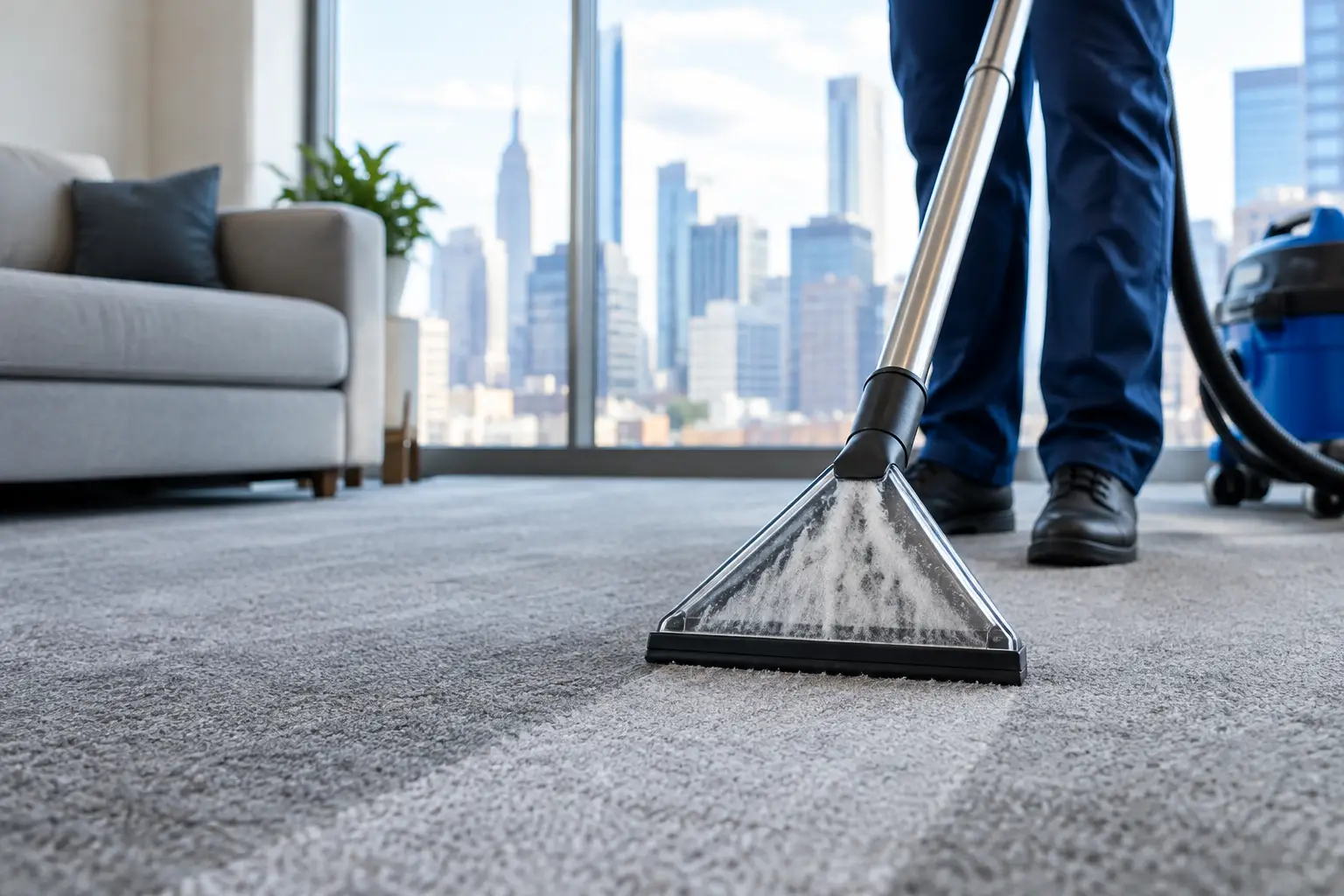
- Floor cleaning suited to the material, including vacuuming, mopping, carpet extraction, or hard-floor care when needed
What is not included should be just as clear. Hazardous waste, paint overspray removal, exterior window cleaning at height, heavy debris hauling, and work requiring specialized restoration may need separate arrangements. Transparent expectations protect the customer, the cleaning crew, and the newly completed surfaces.
Planning Post Construction Cleaning Around Your Project Schedule
Timing can determine whether a final clean lasts. Cleaning too early means dust may settle again when painters return, flooring crews finish their work, or punch-list repairs begin. Waiting too long can allow residue, adhesive, or grime to harden on glass and surfaces. The best time is usually after major construction is complete, utilities are working, and the contractor confirms that the final trades are finished or nearly finished.
For commercial properties, plan the cleaning around the opening date, furniture delivery, inspections, and staff move-in. An office manager may need an evening or weekend service before employees return. A practice administrator may need work completed before equipment installation or compliance checks. Retail and hospitality operators may need a focused overnight schedule to protect a launch date.
Access matters, too. Elevators, loading docks, parking rules, building certificates, security procedures, and disposal requirements can affect how efficiently a crew can work in Manhattan and throughout the boroughs. Sharing these details before service helps avoid delays and gives the cleaning team time to arrive prepared with the right equipment and supplies.
The Details That Make a Space Ready to Occupy
A construction-cleaning job should not stop at visible dust on the floor. The details are what make a room feel finished. Interior glass should be clear of fingerprints and film. Cabinet interiors should be wiped before supplies or dishes are put away. Window tracks, door frames, switches, and handles should be addressed because people notice them immediately.
Bathrooms and break rooms deserve particular attention. These are spaces where dust collects around plumbing fixtures, inside cabinets, and along edges that are easy to miss. Before opening or moving in, they should be cleaned and sanitized with appropriate products. In health-sensitive settings such as dental offices, daycares, gyms, and medical practices, the final service should support a cleaner, more welcoming environment for the people who will use it every day.
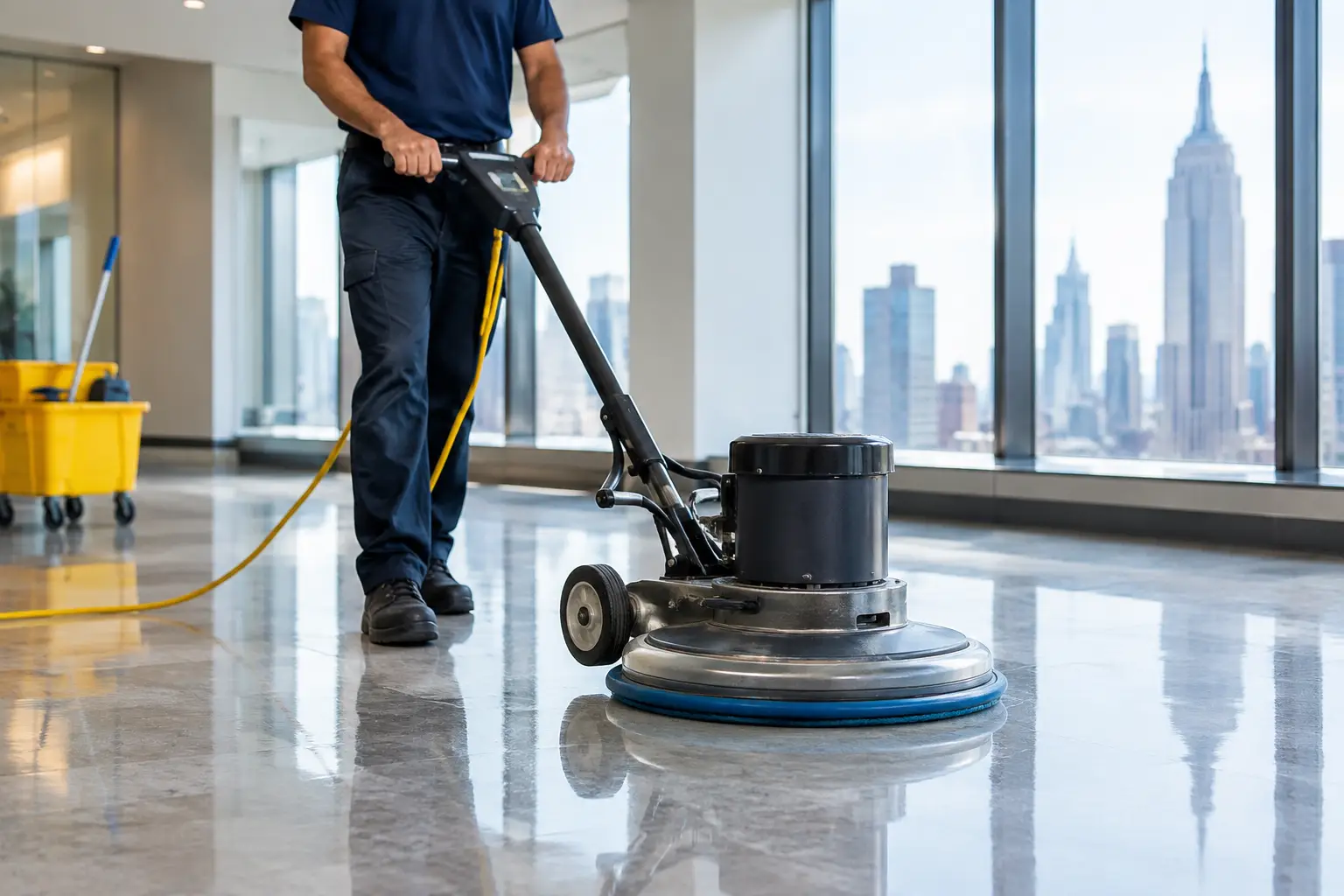
Floor care is another area where shortcuts are costly. Drywall grit and fine debris can scratch hard surfaces when moved under shoes or equipment. Newly installed floors may also have manufacturer care requirements. A trained cleaning team will assess the floor type before choosing products, pads, extraction methods, or protective steps. Aggressive chemicals or abrasive tools are not automatically better, especially on new finishes.
Choosing a Cleaning Partner You Can Hold Accountable
Construction timelines are demanding enough without trying to manage an unreliable cleaning provider. Look for a company that provides a clear scope, upfront pricing, insured and bonded technicians, and responsive local support. Ask whether the people entering your property are trained employees or unknown subcontractors, especially when the site contains new equipment, tenant belongings, or sensitive business information.
It also helps to confirm the team can handle the property after the construction clean. A retail store, office, school, or residence may need recurring service once the space is occupied. Keeping ongoing cleaning with a provider that already understands the layout, floor types, and priorities can reduce administrative work and support consistent results.
City Wide Cleaning uses trained, background-checked employees and professional-grade equipment for scheduled specialty and recurring cleaning across New York City and Long Island. Green Seal-certified products can be part of the plan where appropriate, particularly for families, pets, staff, students, and customers who value lower-toxicity cleaning choices.
A Clean Finish Protects the Work You Just Paid For
A renovation represents time, money, coordination, and a long list of decisions. The final cleaning should reflect that investment. It should remove the evidence of construction without damaging new finishes, leaving your space ready for its real purpose rather than one more task on the project list.
Before you schedule service, walk the property with fresh eyes and note what needs attention beyond the obvious. A detailed scope and a prepared, accountable crew can make the handoff from construction site to clean, comfortable space feel as finished as the renovation itself.