A patient may not know whether your exam rooms were cleaned on schedule, but they will notice a smudged check-in counter, a full waste bin, or dust collecting near the chairs. Medical office cleaning protects more than appearance. It supports patient confidence, gives staff a cleaner place to work, and helps your practice maintain the orderly environment people expect from a healthcare setting.
For New York medical and dental offices, the challenge is rarely finding a list of surfaces to wipe down. The real challenge is maintaining consistent standards between busy appointments, changing staff schedules, and high patient traffic. A reliable plan accounts for how your office actually operates, from the first patient arrival to the last trash removal of the day.
Why Medical Office Cleaning Requires a Different Standard
A typical office may need desks dusted, floors vacuumed, and restrooms refreshed. A medical practice needs those fundamentals, but it also has more frequent contact points, closer patient interactions, and greater consequences when cleaning is inconsistent. Reception counters, door handles, armrests, pens, payment terminals, restroom fixtures, and waiting-room surfaces can all see steady use throughout the day.
That does not mean every surface requires the same product or procedure. Treatment areas, laboratories, and rooms where clinical instruments are used may have practice-specific protocols that go beyond routine janitorial work. Cleaning personnel should understand the boundaries of their role and follow the facility's instructions. Routine environmental cleaning and disinfection are valuable, but they do not replace clinical sterilization procedures, regulated medical-waste handling, or infection-control policies managed by the practice.
The best approach is practical: establish a detailed cleaning scope, identify who is responsible for each task, and make sure the work is completed reliably after hours or during approved low-traffic windows. This reduces disruption without leaving staff to manage preventable cleaning gaps.
What a Medical Office Cleaning Plan Should Cover
The right scope depends on your specialty, patient volume, layout, and hours. A small private practice with a modest waiting room has different needs than a multi-provider clinic with several restrooms and treatment rooms. Still, most professional plans should address the spaces patients and employees use every day.
Reception and waiting areas
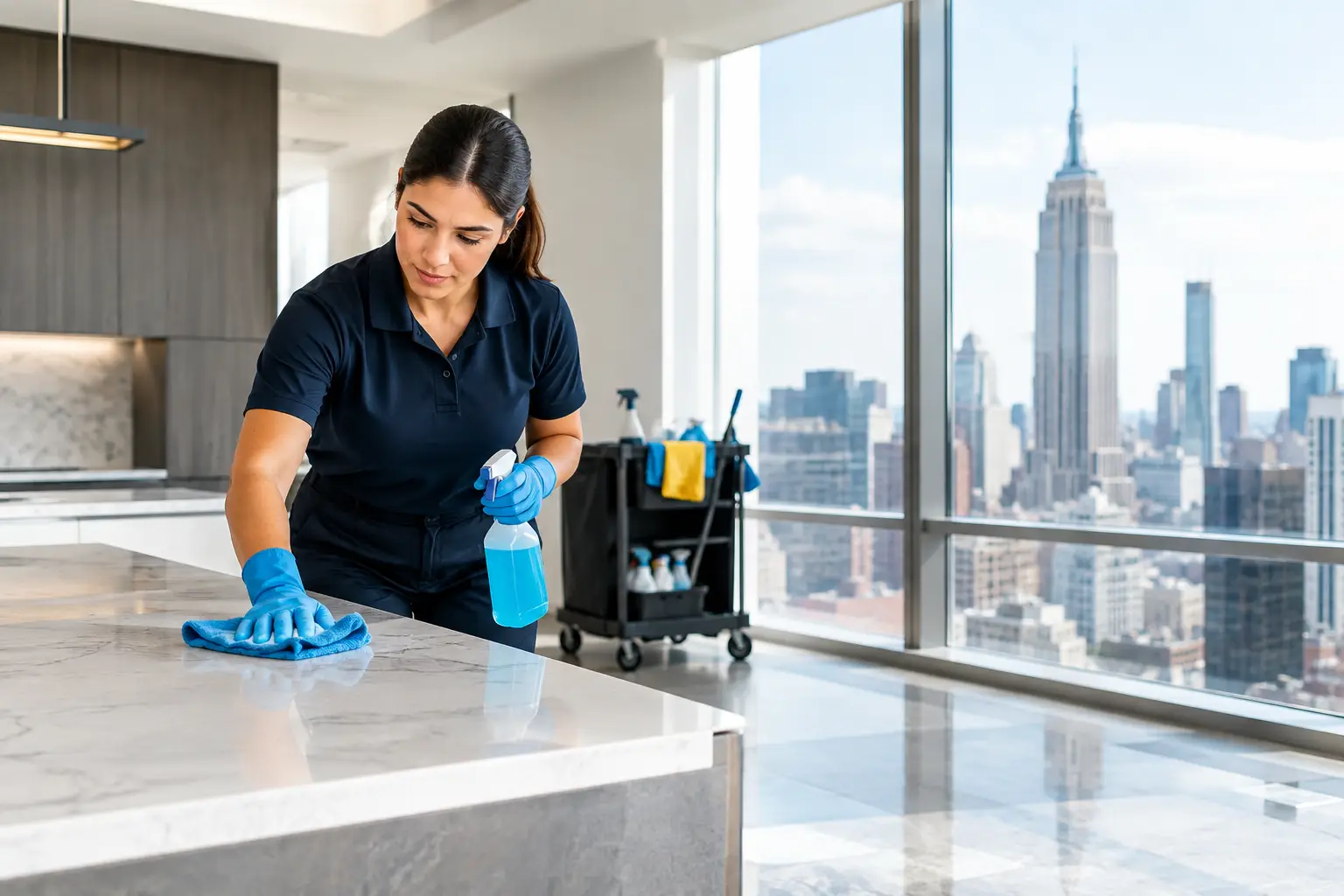
The front of your office forms an impression before a patient speaks with a provider. Cleaning should include vacuuming or mopping floors, removing visible debris, dusting accessible surfaces, cleaning glass as needed, and emptying waste and recycling. High-touch surfaces such as door hardware, check-in counters, chair arms, light switches, and payment areas should receive focused attention according to the schedule your practice sets.
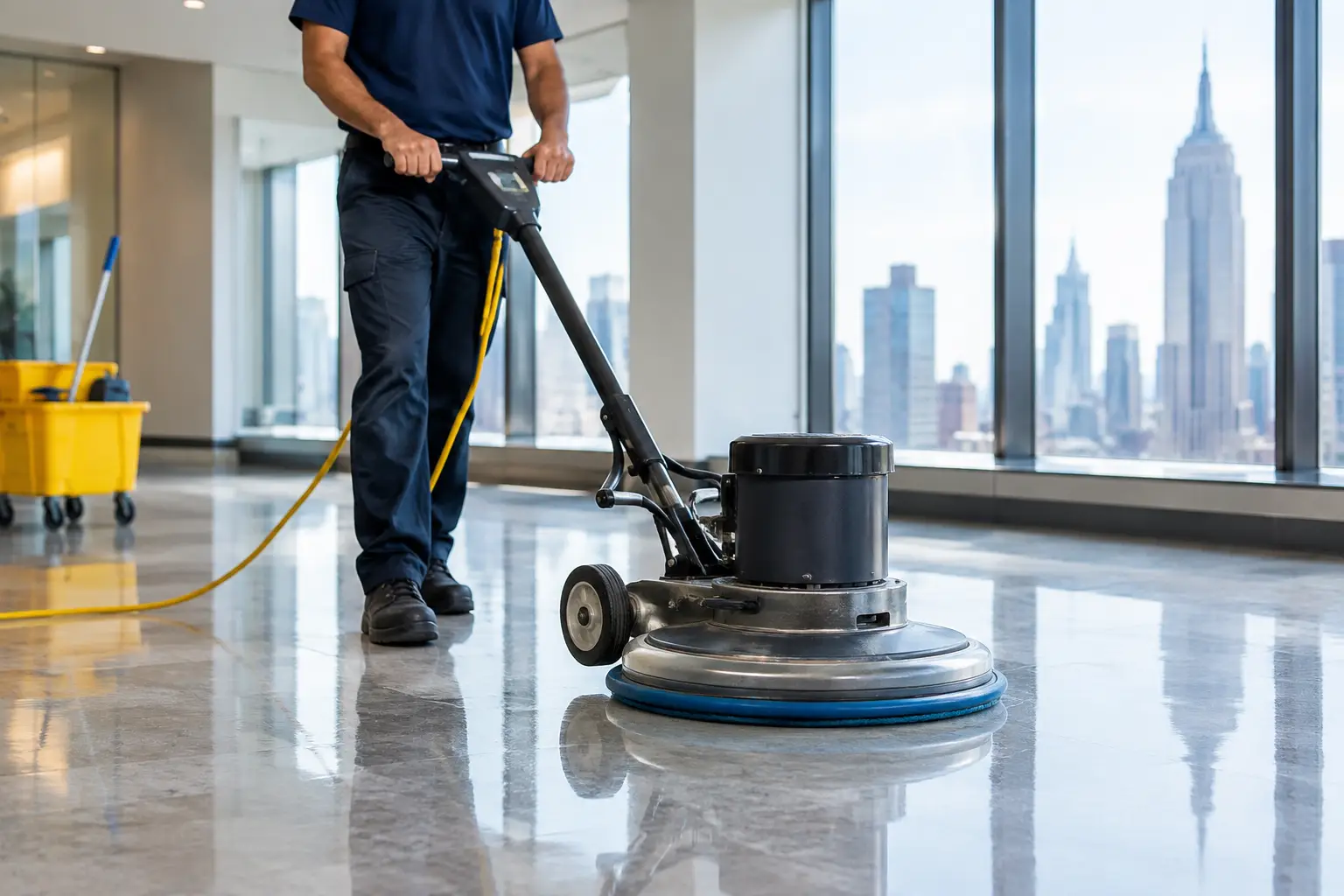
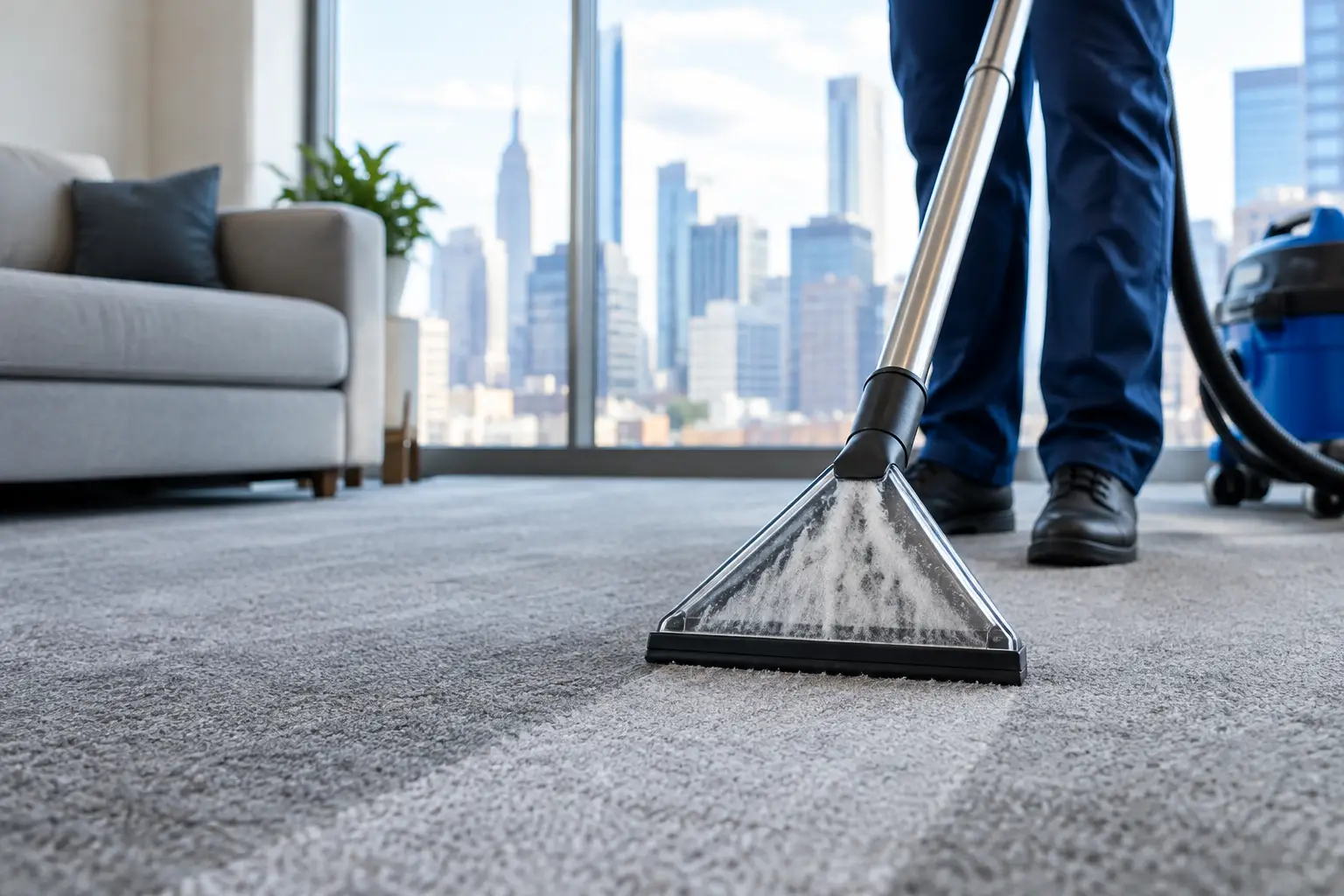
Waiting-room furniture deserves more than an occasional pass with a cloth. Upholstery, carpet, and hard floors collect dirt from wet sidewalks, city streets, strollers, wheelchairs, and daily foot traffic. Periodic carpet extraction and hard-floor care can help preserve the professional appearance of these high-visibility spaces.
Restrooms and staff break areas
Restrooms are a clear measure of how a facility is maintained. A complete service should clean and disinfect fixtures, counters, sinks, mirrors, handles, dispensers, and floors, while restocking agreed-upon paper and soap supplies if that is part of the arrangement. Waste should be removed carefully and liners replaced.
Break rooms and staff kitchens need regular attention as well. Crumbs, food residue, and full trash cans can attract pests and create odors quickly. Cleaning counters, sinks, exterior appliance surfaces, tables, and floors helps staff return to a space that feels cared for after a demanding shift.
Exam rooms and administrative workspaces
Exam rooms should be cleaned only in alignment with your practice's established room-turnover and clinical protocols. A commercial cleaning provider can handle designated nonclinical surfaces, floors, waste removal within the agreed scope, and general room presentation. Your practice should clearly identify any restricted areas, specialized equipment, sharps, pharmaceuticals, biohazardous materials, and medical waste that the cleaning team must not handle.
Administrative offices still matter. Dust, overflowing bins, dirty floors, and neglected keyboards can affect the staff experience just as much as the patient experience. A good schedule balances visible patient-facing areas with the spaces that keep your operations moving.
Build a Schedule Around Patient Traffic
Frequency is one of the most important decisions in medical office cleaning. Nightly service is often the right fit for busy practices, especially those with steady patient flow, multiple restrooms, or high-touch waiting areas. Smaller offices with fewer appointments may choose several visits per week and add periodic deep cleaning.
The lowest price is not always the lowest-cost choice if it produces missed visits, rushed work, or a revolving door of unfamiliar cleaners. On the other hand, paying for nightly service when your office is open only a few days a week may not be necessary. The goal is a schedule that matches traffic, not a one-size-fits-all package.
Ask for a clear scope that identifies daily, weekly, and periodic tasks. Daily work might focus on floors, restrooms, trash, touchpoints, and visible surfaces. Weekly or monthly tasks can address baseboards, detailed dusting, interior glass, carpet spot treatment, and harder-to-reach areas. Specialty floor work, such as stripping and waxing, should be planned around your operating hours so it does not interfere with patient care.
Choose Accountability, Not an Anonymous Crew
Healthcare-adjacent environments require trust. The people entering your office after hours may have access to private workspaces, patient-facing rooms, and sensitive areas. That is why it is reasonable to ask who will be performing the work, how they are screened, and what happens if there is a concern.
Look for a provider that uses trained, background-checked, insured, and bonded employees rather than sending unknown subcontractors from one visit to the next. Consistent crews learn your layout, your preferences, and your restricted areas. They are also more likely to notice a recurring issue, such as a restroom dispenser that is always empty or a carpeted hallway that needs deeper care.
Communication should be just as dependable as the cleaning itself. You need a local point of contact who can adjust service around holiday hours, late appointments, construction work, or an unexpected maintenance issue. Clear upfront pricing also matters. A quote should explain what is included, what requires additional service, and how changes to the schedule are handled.
Products Matter, Especially in Patient-Facing Spaces
A strong cleaning program should balance effective results with the comfort of patients and staff. Harsh scents and residue can be unpleasant in a waiting room, particularly for children, older adults, and people with sensitivities. Green Seal-certified, non-toxic products can be a thoughtful choice for routine cleaning when used appropriately for the surface and task.
Disinfection products should be selected and applied according to label instructions, including required contact time. Simply spraying and immediately wiping a surface may not deliver the intended result. A professional team should understand this distinction and use products responsibly, not indiscriminately.
City Wide Cleaning works with New York practices that need dependable recurring service, prepared teams, and cleaning plans built around real operating hours. That includes professional-grade equipment and supplies, flexible scheduling, and clear expectations from the start.
Questions to Ask Before You Hire
Before choosing a provider, ask whether the cleaners are employees, whether they are insured and background-checked, and whether the same team can service your office regularly. Confirm the proposed schedule, the exact rooms and surfaces included, and the process for reporting issues or requesting changes.
It is also wise to discuss access procedures, alarm instructions, keys or entry codes, and any rooms that are off-limits. If your facility has specialized waste or clinical requirements, put those boundaries in writing. A professional cleaning team should welcome clear direction because it protects your practice, your staff, and the people doing the work.
Patients come to your office looking for care and reassurance. When the space is clean, orderly, and consistently maintained, that reassurance begins before they reach the front desk.