A dirty restroom at 9:00 a.m., fingerprints on a reception door, or an overflowing trash can before a client meeting can change how people judge an entire organization. Janitorial services address those everyday details before they become complaints, health concerns, or distractions for your team.
For New York businesses, cleaning is rarely a one-size-fits-all task. A medical office has different priorities than a warehouse. A school needs careful attention to high-touch surfaces and kid-safe products, while a corporate office may need quiet evening service that leaves workspaces ready for the next morning. The right cleaning plan is built around how your facility operates, who uses it, and what a clean environment needs to accomplish.
What Professional Janitorial Services Should Cover
Janitorial service is recurring, operational cleaning designed to keep a facility consistently clean, safe, and presentable. It is different from an occasional deep clean or a one-time post-construction cleanup. The goal is to maintain standards day after day, not simply restore a space after it has been neglected.
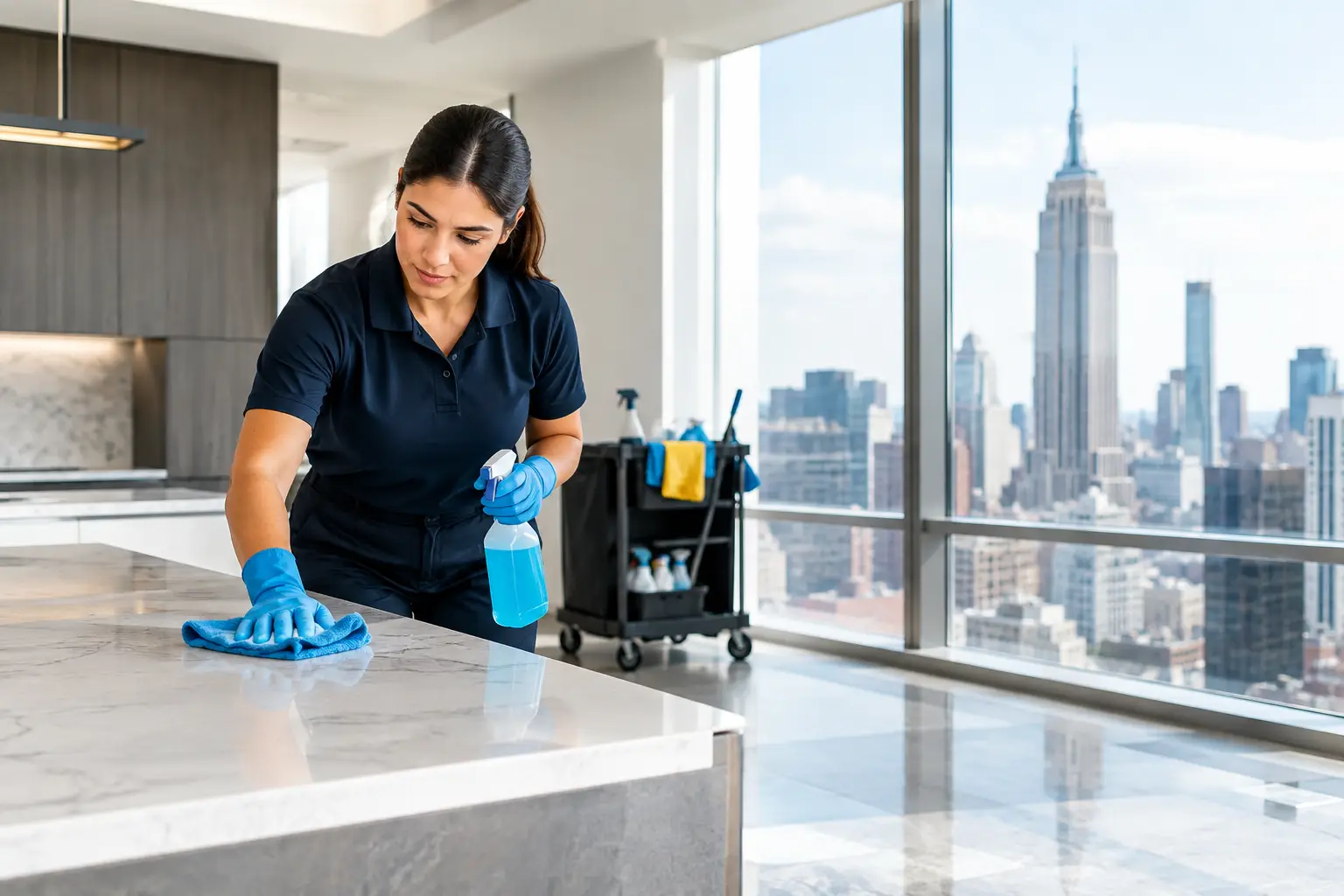
A typical plan may include trash removal, restroom cleaning and restocking, vacuuming, mopping, dusting, break room cleaning, cleaning glass at entry points, and disinfecting high-touch areas. Depending on the building, it can also include carpet extraction, hard-floor care, interior window cleaning, supply management, and periodic detail work.
The scope should be specific. “Clean the office” leaves too much room for interpretation. A dependable provider identifies which rooms are cleaned, what tasks are performed, how often they occur, and which areas need special attention. That clarity protects your budget and gives the cleaning team a repeatable standard to follow.
Frequency Depends on Foot Traffic, Not Just Square Footage
Two 5,000-square-foot spaces can require very different service schedules. A busy dental practice with patients arriving throughout the day may need daily restroom care and frequent attention to common surfaces. A small professional office with a hybrid schedule may be well served by cleaning two or three nights a week.
Think about peak use, not only building size. Lobbies, restrooms, lunch areas, elevators, locker rooms, and reception desks usually show wear first. Retail spaces and hospitality venues often need daily cleaning because their appearance is part of the customer experience. Gyms and childcare centers may require more frequent disinfection because many people share equipment, toys, and surfaces.
For some facilities, a combination works best. Regular evening janitorial cleaning maintains the building, while quarterly carpet extraction or floor refinishing handles deeper maintenance. This approach can be more cost-effective than waiting until floors, carpets, or grout look permanently worn.
The Difference Between Cleaning and Disinfecting
Cleaning removes visible soil, dust, debris, and residue. Disinfecting uses an appropriate product and required contact time to reduce germs on a surface. Both matter, but they are not interchangeable.
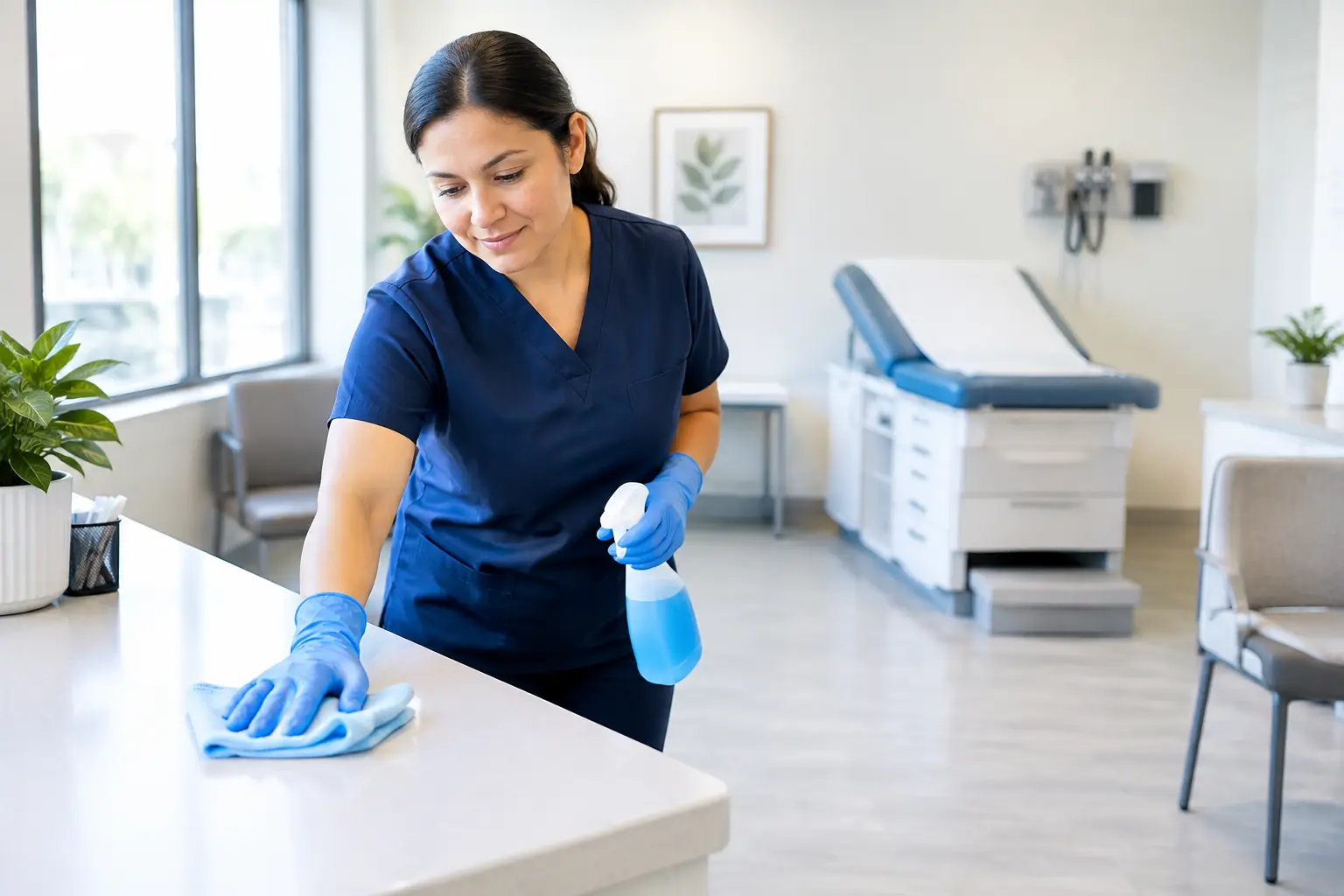
For example, a break room counter should first be cleaned when it has food residue or spills. A disinfectant applied over dirt may not perform as intended. In hygiene-sensitive environments such as medical offices, schools, and fitness centers, the cleaning process should address both steps in the right order.
Product choice matters as well. Strong-smelling chemicals are not automatically more effective, and they can be uncomfortable for employees, visitors, children, pets, and people with sensitivities. Green Seal-certified products can support a cleaner indoor environment when used correctly, while professional-grade disinfectants should be selected for the setting and applied according to label directions.
Who Cleans Your Facility Matters
Hiring a janitorial company should reduce administrative work, not create more of it. Yet many property and operations managers have dealt with missed shifts, unfamiliar cleaners, incomplete work, or no clear point of contact when something goes wrong.
Ask whether the people entering your facility are direct employees or subcontractors. An employee-based team gives the provider greater control over hiring, training, insurance, scheduling, and quality expectations. Background checks, bonding, and insurance are also practical safeguards, particularly in facilities where cleaners work after hours or around confidential information, valuable equipment, children, patients, or residents.
Consistency is equally important. A recurring team learns where supplies are stored, which rooms need extra attention, how access works, and what your staff expects. There may be times when staffing changes are necessary, but a professional provider should communicate clearly and maintain documented instructions so service does not slip.
How to Build a Janitorial Cleaning Plan
The best cleaning plan begins with a walkthrough. This is where a provider can see the details that do not appear in a square-footage estimate: multiple restroom stalls, carpeted corridors, a high-traffic entrance, sensitive equipment, limited loading access, or the need to clean outside business hours.
During the walkthrough, be direct about the problems you want solved. Maybe trash is removed inconsistently, floors look dull by midweek, or staff members are spending too much time wiping down shared areas. Those specifics help shape a realistic plan instead of a generic checklist.
A useful service agreement should establish the cleaning schedule, task list, pricing, access procedures, supplies, communication process, and process for reporting concerns. Transparent pricing matters because an unusually low quote can leave out the labor, equipment, insurance, or periodic work required to meet your standards. The right plan is not necessarily the cheapest one. It is the one that delivers dependable results without surprise charges or constant follow-up.
Areas That Need Special Attention
Every facility has a few spaces where cleanliness has an outsized effect. In offices, it may be the lobby, conference room, restrooms, and kitchen. In retail, it is often the entry glass, fitting rooms, checkout area, and floors. In a medical or dental setting, reception areas, exam rooms, restrooms, and high-touch surfaces require disciplined routines.
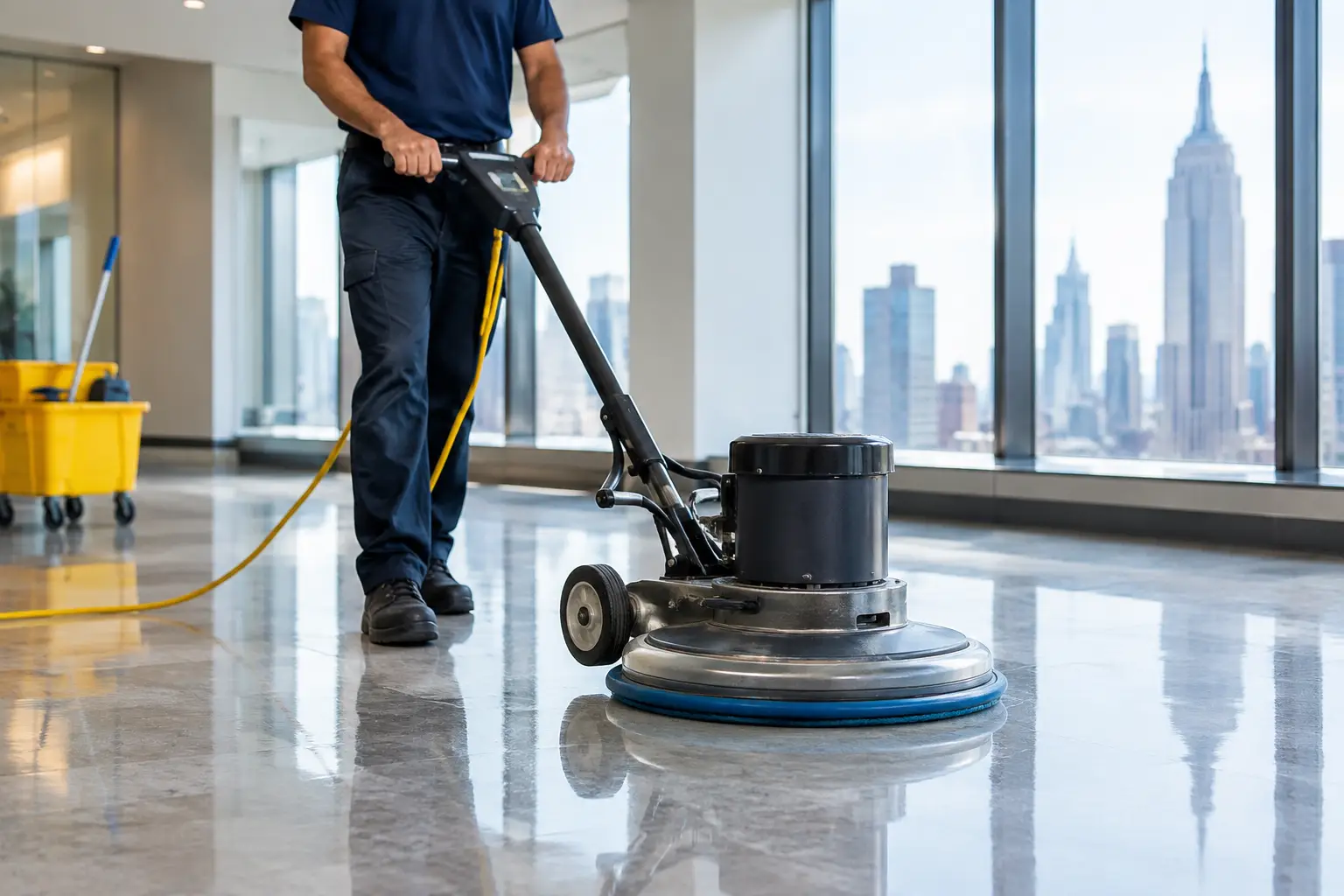
Hard floors deserve a plan of their own. Daily mopping cannot correct worn finish, embedded grime, or scuffing in busy corridors. Periodic stripping and waxing can protect resilient flooring and improve its appearance, but it should be scheduled around business operations because the process takes time and requires proper drying conditions.
Carpets also need more than vacuuming. Vacuuming removes dry debris, while extraction addresses the soil that settles into fibers over time. The right interval depends on traffic, weather, entry conditions, and whether clients or guests regularly walk through the space.
What Reliable Service Looks Like Over Time
Quality is not measured only on the first visit. It shows up in small, repeatable signs: restrooms are stocked, corners are not ignored, trash is removed on schedule, floors are cared for properly, and concerns receive a timely response.
A good provider should also adjust when your needs change. A renovation may create dust that requires a one-time cleanup. Cold and wet weather may increase floor care needs. A growing office may need more frequent service, while a seasonal business may need a different schedule for part of the year. Flexibility is valuable when it is paired with clear communication and documented expectations.
City Wide Cleaning provides recurring and specialty cleaning with trained, background-checked, insured, and bonded employees, not anonymous subcontractors. For commercial clients, that means a prepared team, professional equipment, and accountable local support for the spaces your employees, customers, patients, students, and guests use every day.
A clean facility should not be something your staff has to monitor or remind someone to handle. With a clearly defined plan and a team that follows through, your space can quietly support better work, healthier routines, and a stronger first impression every single day.